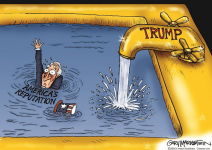
Mahmoud Ahmadinejad
الله أكبر)
His opinions are valid though..
Are they?
And yours are way off base which is understandable...
According to some, no doubt.

His opinions are valid though..
And yours are way off base which is understandable...
IMO this shows that the people who can make the cheapest weapons with the most destructive power wins.
Somehow we lost sight of that and went to ever more expensive "precision" weapons when a simple dumb bomb would do the same thing

For it is not by the numbers of the combatants but by their orderly array and their bravery that prowess in war is wont to be measured...ProcopiusIMO this shows that the people who can make the cheapest weapons with the most destructive power wins.
Somehow we lost sight of that and went to ever more expensive "precision" weapons when a simple dumb bomb would do the same thing
If the US military were to use dumb bombs and only save precision bombs for certain missions what would change about the US military training?For it is not by the numbers of the combatants but by their orderly array and their bravery that prowess in war is wont to be measured...Procopius
The problem for Iran is their troops are shoddily trained. Bravery is no substitute for drilled competence. The Russians have long followed your advice. They've lost more wars than they win and the price for them is always jaw droppingly, insanely, high. Rome became a mighty empire not because Roman soldiers had better weapons, but because they were better trained and drilled.
Nothing except some of those precision weapons would become either obsolete or expired and then need expensive rework to make them usable again.If the US military were to use dumb bombs and only save precision bombs for certain missions what would change about the US military training?
View: https://www.instagram.com/reel/DW6pj7wAnJU/?igsh=MWVvbGxkZ2xiNnF6Nw==On the contrary, I believe that America's international leadership has strengthened. The US has demonstrated its willingness to use force to maintain its imperial status, no matter how costly it may seem. All small and medium-sized countries in the world, except for China and Russia, now face a situation where if the US decides to destroy your country, it can do so directly, and you will receive no protection unless you have some kind of alliance with China—but currently only North Korea can be assured of China's protection. All small and medium-sized countries, in order to survive, must bow down to the US. I believe that in the next 20 years, the US will reshape the landscape of international relations through a series of wars, leveraging its military power.
View: https://x.com/i/status/20429983008829318921. Losing the influence war in the Middle East
2. Taking US eyes off other strategic goals
3. Disproportionate economic fallout
4. Loss of global leadership
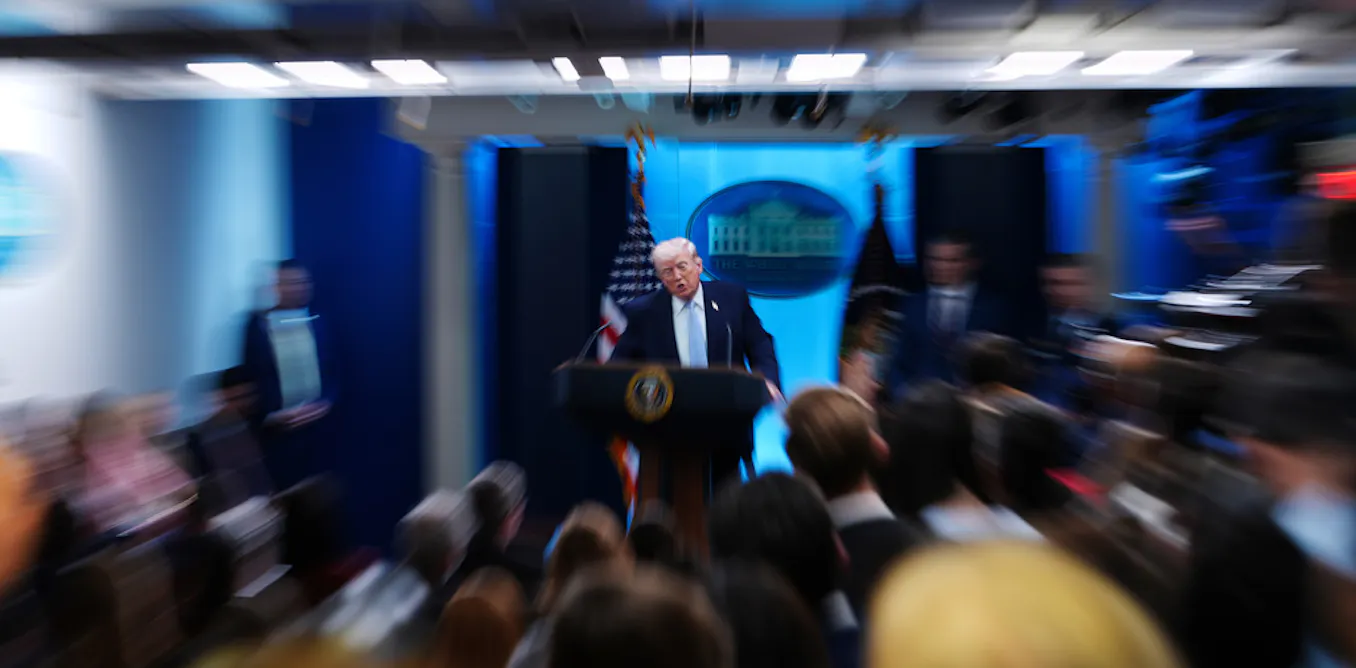
4 ways the war in Iran has weakened the United States in the great power game
China and Russia view the latest Washington intervention in the Middle East as a further decline of the United States’ global power.theconversation.com